Clothing Manufacturer in Pakistan for Small and Growing Brands
We are a custom clothing manufacturer in Sialkot, Pakistan producing hoodies, t-shirts, activewear, streetwear and workwear for brands in the USA, UK and Europe. Minimum 50 pieces per style, costed spec sheet in 24 hours, and every department under one roof.
50 pcs
18 days
40+
AQL 2.5
What working with a Pakistani factory actually looks like
Finding a clothing manufacturer in Pakistan is easy. Finding one that will take a 60 piece first order, quote it honestly, and finish it to the same standard as a 5,000 piece run is the hard part. That gap is the reason this factory exists.
Most export houses in Sialkot and Lahore are built for volume buyers. Their costing sheets, their fabric minimums and their production planning all assume a container. A founder testing a first hoodie drop does not fit that model, so the order either gets ignored, or it gets routed through a trading agent who adds a margin and a layer of silence between the brand and the sewing floor.
We built STITCHLINE the other way round. Cutting, stitching, embroidery, printing, inspection and packing all sit in the same building on Daska Road, which is what lets us hold a 50 piece minimum without stretching the lead time. The person who quotes your job is the person who walks it through the line. If a dye lot fails or a trim runs late, you hear it that day with two options, not after your launch date has passed.
This page covers what manufacturing in Pakistan actually involves: what it costs, what the minimums really are, how long each stage takes, how quality is controlled, and how the finished goods reach a warehouse in the USA, UK or Europe. If something is not answered here, send it on WhatsApp and a production manager will reply.
Sixty years of export sewing in one city
Sialkot has produced apparel, gloves and sports goods for global brands since the 1960s. That history shows up in the labour pool rather than in the marketing. Operators here have run knit, woven and stretch fabric on the same floor for decades, which is why a 50 piece run can be finished to the same standard as a container order instead of being treated as a nuisance.
The city also solves the two problems that usually make small orders painful. Trims, labels, packaging and dyeing are all available within a short drive, so a missing zip puller is a same day fix rather than a week of waiting. And Sialkot International Airport handles direct cargo, so most air shipments reach a US or UK warehouse within a week of leaving the floor.
- Skilled operators across knit, woven and stretch fabric
- Trims, dyeing and packaging sourced locally, same day
- Direct air cargo from Sialkot International Airport
- English speaking production managers, no agent in between
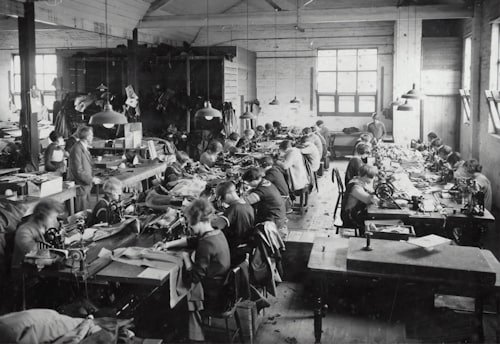
What we manufacture for apparel brands
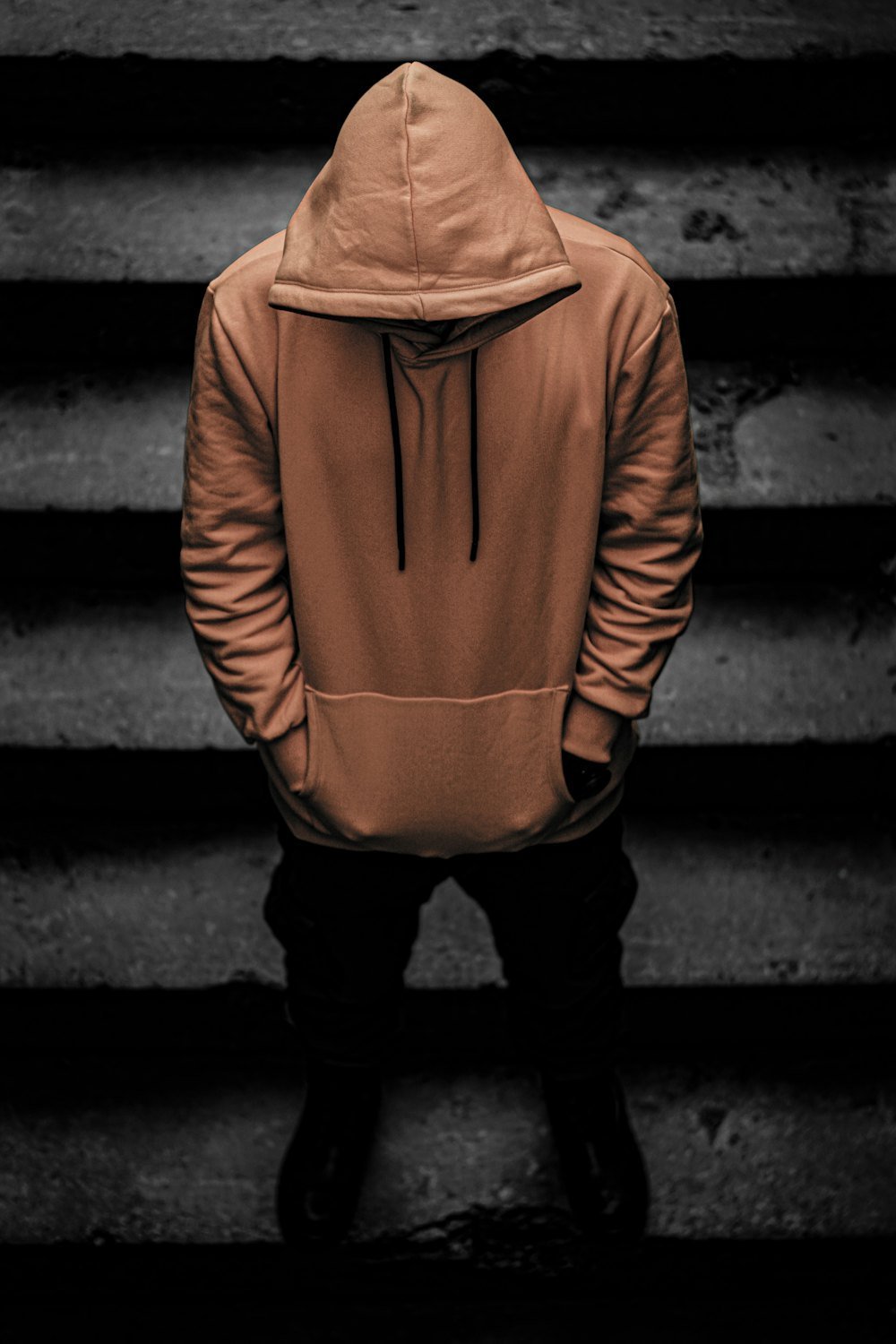
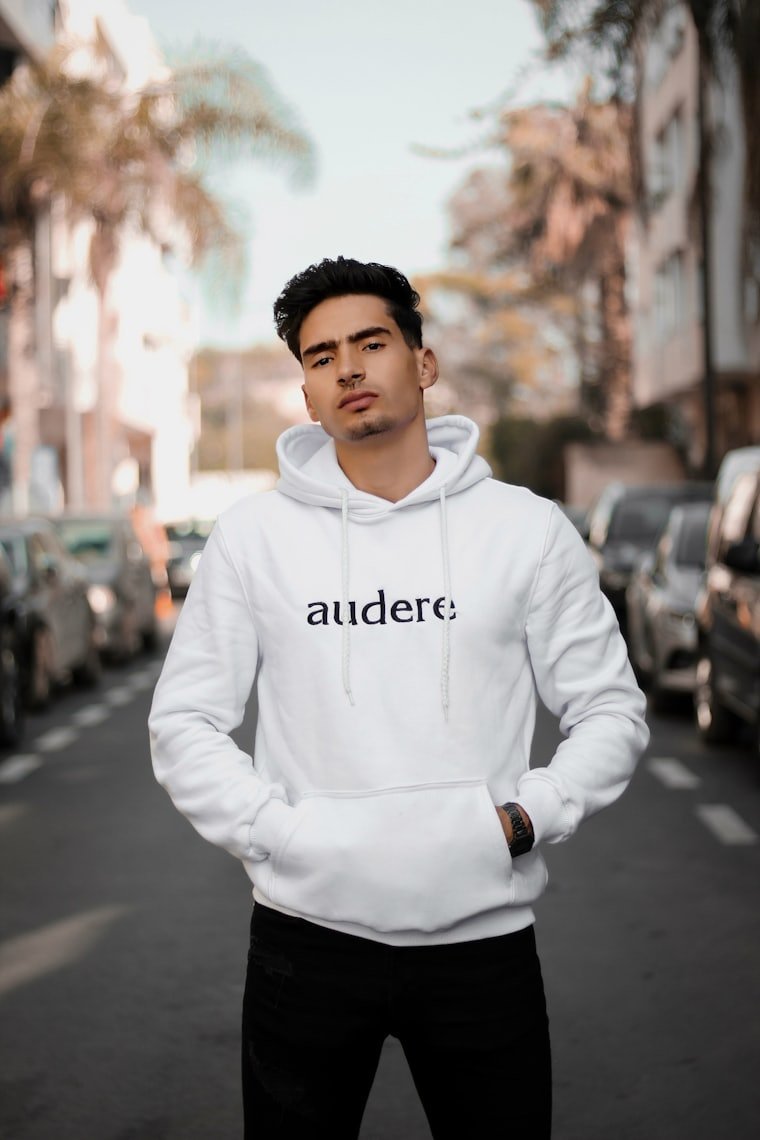
Custom hoodies and sweatshirts

Custom t-shirts in combed cotton
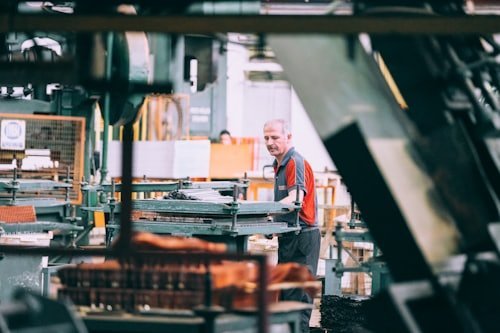
Activewear and gym sets
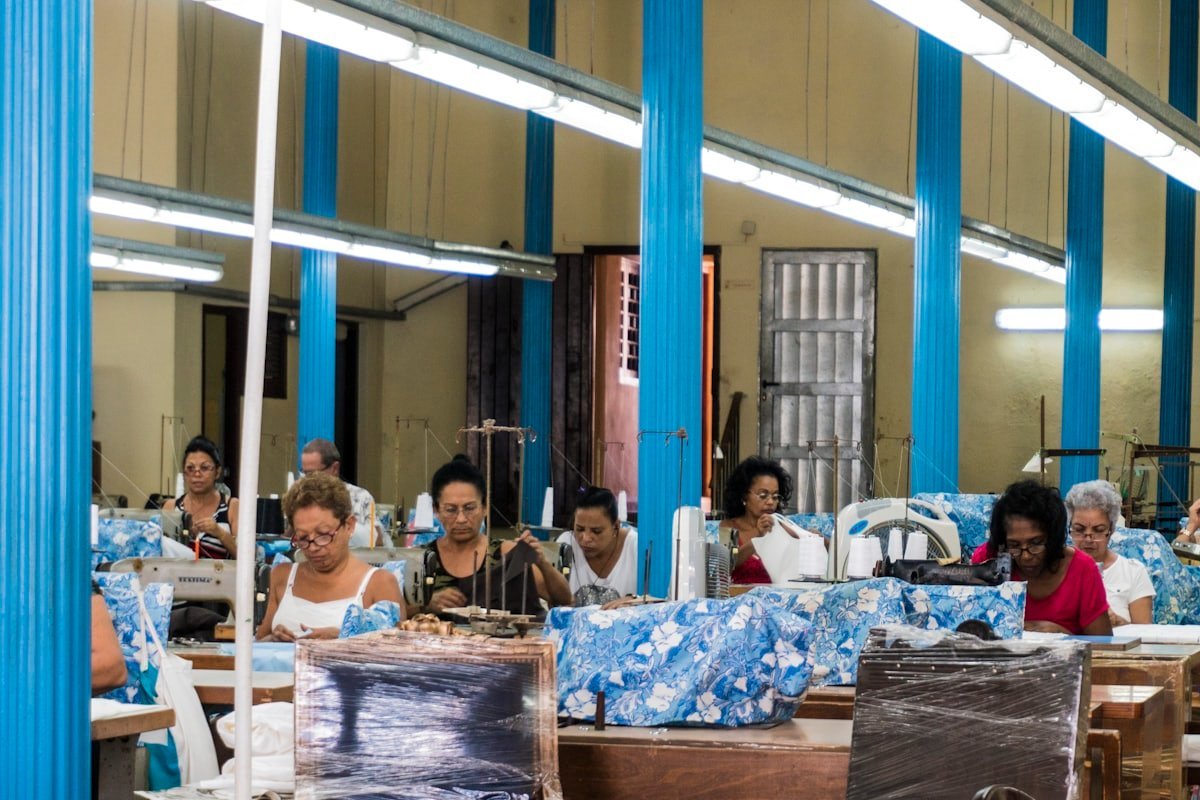
Streetwear and heavyweight knits
Workwear and uniforms

Sportswear and team kits
What a garment actually costs to manufacture in Pakistan
Most quotes arrive as a single number per piece, which tells you nothing about where the money went. We break every quote into five lines so you can see what is fixed, what moves with quantity, and what you could change to hit a target price.
1. Fabric
Usually 35 to 50 percent of the garment cost. It is driven by composition, GSM and consumption. A 450 GSM cotton fleece hoodie eats roughly 1.4 to 1.7 metres of fabric depending on size and fit, so an oversized block is genuinely more expensive rather than a styling preference. Stock shades are cheaper than custom dyeing, because mills hold a minimum of 300 to 500 kilograms per dye lot.
2. CMT, meaning cut, make and trim
This is the labour and the machine time. A basic t-shirt has around eight operations. A lined jacket with pockets and a zip can have forty. This is where a low quote usually hides a shortcut: fewer bar tacks, single needle where a coverstitch belongs, or a hem that saves two seconds and fails after ten washes.
3. Decoration
Screen printing is cheapest at volume because the screen cost is spread across the run. DTF transfers are cheaper under roughly 100 pieces since there is no screen to make. Embroidery is priced by stitch count, not by size, so a dense small logo can cost more than a simple large one. Sublimation is priced by panel because the fabric is printed before it is cut.
4. Trims and packaging
Woven neck labels, satin size tabs, care labels, hang tags, drawcord tips, zip pullers, poly bags and cartons. Individually small, together often 5 to 9 percent of the cost. Retail ready packaging with barcodes and mailer boxes sits at the top of that range.
5. Freight and duty
Air express reaches the USA, UK and EU in 4 to 7 days and is priced by chargeable weight. Sea freight takes 25 to 35 days and becomes the cheaper option above roughly 500 kilograms. Duty is paid by you at the destination and depends on the HS code and your country, so ask your customs broker before you set a retail price.
Two things move a quote more than anything else. Quantity, because fixed costs such as screens, patterns and digitising spread across more pieces. And fabric choice, because a 30 GSM difference on a 500 piece order is real money. If you send a target landed price, we will build the spec toward it and tell you plainly where it cannot be met.
Published MOQ and lead times
| Service | Minimum | Sample time | Bulk lead time | Best for |
|---|---|---|---|---|
| Blank wholesale | 100 pieces | 4 working days | 12 to 15 days | Resellers and decorators |
| Private label | 50 pieces per style | 6 working days | 15 to 18 days | Brands launching fast |
| Cut and sew | 50 per design, 25 per colour | 8 to 10 working days | 18 to 25 days | Own fit and own fabric |
| Sublimated kits | 25 pieces per design | 7 working days | 15 to 20 days | Teams and clubs |
| Flat knitwear | 50 pieces per design | 12 working days | 25 to 32 days | Sweaters and cardigans |
| Repeat order | 50 pieces per style | Not required | 12 to 15 days | Restocking a bestseller |
Pakistan compared with China, Bangladesh and Turkey
Every sourcing country has a shape that suits a particular kind of brand. Here is an honest read on where Pakistan fits, including where it does not.
China is unmatched for complex technical garments, hardware, and anything needing specialised machinery. It also has the deepest trim market on earth. The trade off for a small brand is minimums: most reliable factories start at 300 to 500 pieces per colourway, and the good ones rarely answer a 60 piece enquiry.
Bangladesh is built for volume basics. Unit prices on simple jersey styles are among the lowest anywhere, but the model depends on thousands of pieces per style, so it seldom suits a first drop or a seasonal capsule.
Turkey is the fast option for European brands, with strong fabric mills and short transit times. Labour costs sit higher, which shows up on heavyweight cotton where fabric and sewing time are both significant.
Pakistan sits between them. Cotton is grown domestically, so knit fabric is competitive without importing yarn. Labour costs are lower than Turkey and China. Minimums are the real advantage: a factory of our size can run 50 pieces without disrupting the floor. Where Pakistan is weaker is highly technical outerwear with moulded hardware, and very fine gauge knitwear, both of which China still leads. We will say so rather than take an order we cannot finish properly.
| Factor | Pakistan | China | Bangladesh | Turkey |
|---|---|---|---|---|
| Typical MOQ | 50 pieces | 300 to 500 pieces | 1000 pieces and up | 150 to 300 pieces |
| Cotton knit pricing | Competitive | Higher | Lowest | Higher |
| Technical outerwear | Limited | Strongest | Limited | Good |
| Air transit to USA | 4 to 7 days | 4 to 7 days | 5 to 8 days | 3 to 6 days |
| Air transit to UK and EU | 4 to 6 days | 5 to 8 days | 5 to 8 days | 2 to 4 days |
| Sampling turnaround | 4 to 12 days | 7 to 15 days | 10 to 20 days | 5 to 12 days |

How quality is actually controlled, not just promised
Quality is a process, not a claim on a website. Fabric is graded on the 4 point system before a single panel is cut, so a roll with weaving faults is rejected at the door rather than discovered at final inspection. The approved sample becomes the gold seal on the production floor, and inline QC checks every 50 pieces against it while the line is still running, which is the only point where a fault is cheap to fix.
Finished goods are inspected at AQL 2.5 with a written report per shipment, covering measurement tolerance, stitching, colour consistency, labelling and packing. You receive that report with the shipping photos, before the balance payment. If your buyer or marketplace requires a third party inspection, we welcome it and will host the inspector on the floor.
- 4 point fabric inspection before cutting
- Approved sample kept as the gold seal on the line
- Inline QC every 50 pieces during production
- Final AQL 2.5 inspection with a written report
- Third party audits and inspections welcome
From first message to delivered cartons
Send your specs
Costed spec sheet
Digital and physical sample
Bulk production
Inspection and packing
Shipping and documents
Importing from Pakistan to the USA, UK and Europe
Most first time importers worry about the shipping. In practice the paperwork is the part that catches people out, and it is straightforward once you have seen it.
Documents we prepare with every shipment
- Commercial invoice showing the value your customs entry is assessed on.
- Packing list with carton count, dimensions, gross and net weight.
- HS codes per style, which decide the duty rate you pay.
- Certificate of origin and Form E where your importer needs them.
- Inspection report from the AQL 2.5 check on that shipment.
Choosing air or sea
Air express is priced on chargeable weight and lands in 4 to 7 days. For a first order of a few hundred pieces it is almost always the right call, because the freight cost per piece is small next to the cost of missing a launch. Sea freight becomes cheaper somewhere above roughly 500 kilograms, but you are committing to 25 to 35 days of transit plus port handling, so it suits repeat orders where the timing is planned rather than urgent.
Duty and landed cost
Duty rates on apparel vary by material, construction and destination, and they are paid by you at the destination rather than by the factory. Ask your customs broker for the rate against your HS code before you set a retail price, and build your margin on landed cost rather than on the factory quote. It is the single most common costing mistake we see from new brands.
Marketplace and retail requirements
If you are selling into Amazon or a retailer, tell us at the quote stage. Barcode placement, poly bag suffocation warnings, carton labelling and case pack quantities all have to be built into the packing plan rather than fixed after arrival. Getting a shipment rejected at a fulfilment centre is expensive and entirely avoidable.
Starting small without being treated as a small order
A 50 piece order and a 5,000 piece order run through the same pattern room, the same QC room and the same finishing tables here. What changes is the price per piece, not the standard. That is a deliberate choice, because the brands placing 60 pieces this season are the ones placing 2,000 in eighteen months, and they remember who took them seriously first.
Practically, starting small means a few things worth planning for. Work from stock fabric shades rather than a custom dye, since mills hold a 300 to 500 kilogram minimum per lot and that cost lands on your run. Keep your first drop to two or three styles so you can learn what sells before committing fabric to a wide range. And expect the per piece price to fall noticeably on your second order, because patterns, screens and digitising are already paid for.
Your patterns and artwork stay yours throughout. They are stored under your brand, never used for another client, and we will sign your NDA or supply ours. If you outgrow us, you take your patterns with you.
Questions brands ask before their first order
For cotton knitwear, fleece, jersey and workwear it is one of the strongest options available, because cotton is grown domestically and skilled sewing labour is deep and affordable. It is a weaker choice for highly technical outerwear with moulded hardware or very fine gauge knitwear, where China still leads. Any factory that claims to be best at everything is selling, not manufacturing.
Large export houses usually start at 500 to 1,000 pieces per style. Our minimum is 50 pieces per style for private label and cut and sew, 25 pieces per design for sublimated kits, and 100 pieces for blank wholesale. Mixed sizes are allowed inside every minimum.
It depends on fabric weight, construction and decoration, so we quote rather than publish a rate card. As a guide, fabric is 35 to 50 percent of the cost, CMT covers the labour, decoration is priced by method, and trims and packaging add 5 to 9 percent. Send the spec and quantity and you get a line by line price within 24 working hours.
Sampling runs 4 to 12 working days depending on category. Bulk production runs 12 to 32 days, with private label at 15 to 18 days and cut and sew at 18 to 25 days. Both windows start after an approved sample and a cleared deposit, and they exclude shipping transit.
No. A sketch, a reference photo or even a link is enough to open a costing. If you do not have a tech pack we build one during sampling, covering measurements, construction notes, trims, artwork placement and a bill of materials. You keep it, and it makes every repeat order faster.
Yes, through lab dips, which take 4 to 6 working days. Below roughly 300 pieces per colour, expect to work from stock shades instead, because mills hold a 300 to 500 kilogram minimum per dye lot. For a matched set such as a hoodie and jogger, we cut both from the same lot so they read as one colour.
Samples are paid up front. Bulk runs on 50 percent deposit to start production and 50 percent against shipping photos before dispatch. We accept bank transfer, Wise and Payoneer.
We sign your NDA or supply ours. Patterns, artwork and tech packs are stored under your brand, are never used for another client, and leave with you if you move factory.
Yes. Air express reaches the USA, UK and EU in 4 to 7 days, sea freight in 25 to 35 days. Commercial invoice, packing list, HS codes and certificate of origin are prepared in house so your forwarder receives a clean file.
Yes, buyers are welcome any working day and Sialkot International Airport is 25 minutes away. If you are not travelling, we will walk you through the same departments on a live video call before you commit to anything.